Premium Ceramic Crucibles | High-Performance Lab & Industrial Solutions

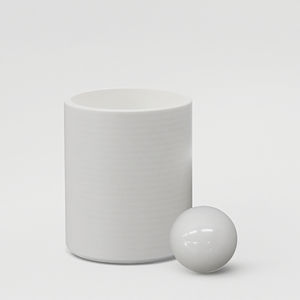
PRODUCT PARAMETERS
Description
Overview of Corundum Crucible
Corundum crucibles, made from alumina (Al₂O₃), are highly valued for their exceptional thermal resistance and chemical stability. These crucibles are ideal for high-temperature applications, such as melting and annealing processes in laboratories and industrial settings. Corundum crucibles can withstand temperatures up to 1800°C and are resistant to most chemical reagents, making them indispensable in various scientific and manufacturing operations.
Features of Corundum Crucible
High Thermal Resistance: Can withstand temperatures up to 1800°C without degrading.
Chemical Stability: Resistant to most acids and alkalis, ensuring minimal contamination during experiments or production.
Durability: Extremely durable and long-lasting, even under harsh conditions.
Non-Reactive: Does not react with the materials being processed, preserving sample purity.
Versatility: Suitable for a wide range of applications including melting metals, glass, and ceramics.
Precision Engineering: Manufactured to tight tolerances for consistent performance and reliability.

(High Temperature Lab Used Melting Alumina Ceramic crucible For Glass Melting)
Specification of High Temperature Lab Used Melting Alumina Ceramic crucible For Glass Melting
This high-temperature lab ceramic crucible melts glass efficiently. Made from high-purity alumina ceramic, it handles extreme heat and harsh conditions. The crucible resists temperatures up to 1800°C, ideal for melting glass in furnaces or kilns. Its thermal shock resistance prevents cracking during rapid heating or cooling. This makes it reliable for repeated use in lab settings.
The material offers strong chemical stability. It resists corrosion from acids, alkalis, and molten glass. This ensures sample purity during experiments. The crucible’s mechanical strength prevents chipping or breaking under heavy use. Its dense structure minimizes material absorption, keeping contaminants out.
The design includes a smooth interior surface. This reduces glass sticking and simplifies cleaning. Uniform wall thickness ensures even heat distribution. This avoids hot spots that might damage samples. The crucible comes in cylindrical or conical shapes. Sizes range from 50ml to 2000ml. Custom sizes are available for specific needs.
Use the crucible in electric, gas, or induction furnaces. Preheat it slowly to prevent stress cracks. Avoid sudden temperature changes during heating or cooling. Follow standard lab safety protocols for high-temperature tools. Clean it after each use with non-abrasive methods. Soak in mild acid solutions if residue builds up.
This alumina crucible suits research labs, universities, and industrial facilities. It works for glass melting, metal analysis, and ceramic testing. The product meets strict quality standards for precision and durability. Its long service life lowers replacement costs.
Packaging includes protective cushioning to prevent transit damage. Each unit undergoes inspection for defects before shipping. Technical support is available for usage questions or custom requests. Provide details like temperature range and sample type for tailored solutions.
The crucible’s performance suits advanced material studies and production processes. It ensures consistent results in high-heat applications. Prioritize proper handling and maintenance to maximize its lifespan. Store it in a dry environment when not in use. Avoid physical impacts that could weaken its structure.
This product is a practical choice for demanding lab environments. It combines heat resistance, chemical stability, and user-friendly design.

(High Temperature Lab Used Melting Alumina Ceramic crucible For Glass Melting)
Applications of High Temperature Lab Used Melting Alumina Ceramic crucible For Glass Melting
High-temperature lab-used melting alumina ceramic crucibles are essential tools in glass melting applications. These crucibles handle extreme heat and harsh conditions. They are made from high-purity alumina. This material resists temperatures over 1700°C. Labs use them to melt glass samples for research and production. Their durability makes them ideal for repeated use.
These crucibles work well in high-temperature experiments. Glass melting requires precise temperature control. Alumina crucibles maintain stability under rapid heating or cooling. They prevent contamination of glass samples. This ensures accurate results in experiments. Their non-reactive nature keeps glass pure during melting.
Industries rely on these crucibles for testing glass formulas. Researchers test new glass compositions for strength or clarity. The crucibles withstand corrosive materials in molten glass. This includes alkalis and oxides. They do not degrade or release particles. This reliability supports consistent industrial processes.
The crucibles are also used in small-scale glass production. Artisans create specialty glass products in labs. Alumina crucibles melt raw materials evenly. They distribute heat without cracking. This is critical for producing defect-free glass. Their thermal shock resistance prevents damage during temperature changes.
Labs handling advanced materials choose these crucibles for their longevity. Traditional crucibles wear out faster under high heat. Alumina ceramic versions last longer. This reduces replacement costs. Their smooth surface makes cleaning easier after each use. This saves time in busy lab environments.
These crucibles support environmental testing. Glass formulations for solar panels or insulation require precise melting. Alumina crucibles handle aggressive chemical reactions. They ensure samples remain uncontaminated. This helps develop energy-efficient glass products.
Educational institutions use them for teaching glass science. Students learn melting techniques safely. The crucibles tolerate beginner errors like overheating. Their robustness makes them suitable for training environments.
Manufacturers customize crucible sizes for specific needs. Small crucibles suit lab experiments. Larger ones handle batch testing. This flexibility meets diverse glass melting demands. Their design prioritizes user safety. Thick walls minimize heat transfer to handling tools.
High-temperature alumina ceramic crucibles are vital in glass research and development. They combine heat resistance with chemical stability. These features make them irreplaceable in modern labs. Their role in advancing glass technology continues to grow.
Company Introduction
Welcome to Teen-Hot,a leading global supplier of high-quality crucibles designed for various industrial applications. We offer an extensive range of crucibles, including graphite, ceramic, and metal varieties, tailored to meet the needs of foundries, laboratories, and manufacturers. Our products are renowned for their durability, thermal resistance, and precision engineering, ensuring optimal performance in melting and heat treatment processes. With advanced manufacturing facilities and a commitment to excellence, we provide reliable, cost-effective solutions worldwide. Partner with us for your crucible needs and experience superior quality, expert support, and timely delivery.
If you have any questions, please feel free to contact us(nanotrun@yahoo.com).
Payment Methods
T/T, Western Union, Paypal, Credit Card etc.
Shipment Methods
By air, by sea, by express, as customers request.
5 FAQs of High Temperature Lab Used Melting Alumina Ceramic crucible For Glass Melting
High-temperature lab-used melting alumina ceramic crucibles handle glass melting processes. Here are common questions users ask. What maximum temperature can these crucibles withstand? The crucibles tolerate temperatures up to 1800°C. Alumina ceramic material has high thermal stability. This makes it suitable for prolonged glass melting tasks. Exceeding this temperature risks cracking or degrading the crucible. Always check the manufacturer’s specifications before use.
How resistant are these crucibles to thermal shock? Alumina ceramic offers good thermal shock resistance. Rapid temperature changes between 1000°C and room temperature typically cause no damage. Avoid sudden temperature shifts beyond this range. Gradual heating and cooling extend the crucible’s lifespan. Testing under controlled conditions is recommended for extreme applications.
How long do these crucibles last under regular use? Lifespan varies based on operating conditions. High purity alumina resists chemical erosion from molten glass. Frequent use at maximum temperature may shorten durability. Proper handling and cooling routines help. Average crucibles last several months in standard labs. Visible cracks or surface erosion signal replacement is needed.
Can these crucibles work with all glass types? They are compatible with most glass melts, including borosilicate and soda-lime. Alumina’s low reactivity prevents contamination. Avoid using them with highly corrosive fluoride-based glasses. Check chemical compatibility charts for specific glass compositions. When uncertain, conduct a small-scale test first.
How should the crucibles be cleaned and maintained? Remove residual glass after each use. Use non-abrasive tools to prevent surface scratches. Soak in dilute acid solutions for stubborn deposits. Rinse thoroughly with water. Dry completely before reheating. Store in a dry environment to prevent moisture absorption. Inspect for micro-cracks regularly. Handle with care to avoid mechanical damage.

(High Temperature Lab Used Melting Alumina Ceramic crucible For Glass Melting)
REQUEST A QUOTE
RELATED PRODUCTS

Sintered Pure Tungsten Crucible for Melting Rare Earth Metal

Fused Cr Corundum Refractory Bricks High Purity Chrome Corundum Bricks

High Temperature Corundum Mullite Ceramic Alumina Crucible
High purity alumina melting crucible corundum mullite ceramic sintering sagger 1600c cordierite sagger with high temperature

Refractory metallurgical 99% alumina ceramic crucible for melting and bending square corundum ceramics