Premium Ceramic Crucibles | High-Performance Lab & Industrial Solutions


PRODUCT PARAMETERS
Description
Overview of Mullite Crucible
Mullite crucibles are made from a high-performance ceramic material composed primarily of alumina (Al₂O₃) and silica (SiO₂). Known for their excellent thermal stability and mechanical strength, mullite crucibles are widely used in high-temperature applications such as melting metals, glass, and ceramics. They offer superior resistance to thermal shock and chemical attack, making them indispensable in both laboratory and industrial settings.
Features of Mullite Crucible
Thermal Shock Resistance: Exceptional ability to withstand rapid temperature changes without cracking.
High Mechanical Strength: Strong and durable, even at elevated temperatures.
Chemical Stability: Resistant to most chemicals, ensuring minimal contamination during processes.
Temperature Range: Can operate effectively at temperatures up to 1650°C.
Low Thermal Expansion: Minimal expansion or contraction with temperature changes, ensuring dimensional stability.
Non-Reactive: Does not react with the materials being processed, preserving sample purity.
Versatility: Suitable for a wide range of applications including metallurgy, glass manufacturing, and laboratory experiments.

(Professional cordierite mullite ceramic sagger crucible and saggar for sintering)
Specifications of Professional cordierite mullite ceramic sagger crucible and saggar for sintering
Professional cordierite mullite ceramic sagger crucibles handle high-temperature sintering for ceramics, electronics, and metallurgy. These saggers resist extreme heat, chemical reactions, and thermal stress. The material mixes cordierite and mullite, ensuring low thermal expansion and strong thermal shock resistance. Operating temperatures reach up to 1350°C continuously, with peak tolerance up to 1450°C. This suits processes like porcelain firing, lithium battery material sintering, and metal oxide calcination.
Saggers come in standard sizes like 200x200x100mm or 300x300x150mm. Custom dimensions are available for specific furnace setups. Wall thickness ranges from 15mm to 30mm, balancing durability and heat transfer efficiency. The dense structure prevents contamination, keeping materials pure during firing. Load capacity varies by design, supporting weights from 5kg to 50kg depending on size and wall strength.
Thermal stability comes from the cordierite-mullite blend. This reduces cracking during rapid temperature changes. Low porosity minimizes gas absorption, protecting contents from reactive atmospheres. The smooth surface finish prevents sticking, simplifying post-sintering cleaning. Saggers work in electric kilns, gas furnaces, and tunnel kilns. They are reusable, cutting long-term costs compared to single-use options.
Chemical inertness ensures compatibility with acids, alkalis, and molten salts. This prevents erosion during processes involving glazes or fluxes. High mechanical strength resists deformation under load, even after repeated cycles. Uniform heat distribution is achieved through precise geometry, reducing energy waste.
These saggers suit lithium-ion battery cathode sintering, ceramic glaze firing, and rare earth powder processing. They meet demands for precision, reliability, and cost control in industrial settings. Proper use involves preheating to 600°C before high-temperature exposure, extending service life. Storage in dry conditions prevents moisture damage.

(Professional cordierite mullite ceramic sagger crucible and saggar for sintering)
Applications of Professional cordierite mullite ceramic sagger crucible and saggar for sintering
Professional cordierite mullite ceramic sagger crucibles and saggar containers are widely used in high-temperature industrial processes. These tools handle heat well, maintain strength under stress, and resist chemical reactions. They are ideal for sintering, where materials are heated to bond particles without melting.
In metal processing, these crucibles hold parts during sintering. They ensure even heat distribution, preventing warping or cracks. Their low thermal expansion keeps dimensions stable, critical for precision components like turbine blades or engine parts. Factories rely on them for consistent results in high-volume production.
Electronics manufacturing uses these saggar containers to sinter ceramic substrates or insulators. The material’s purity prevents contamination of sensitive parts. It also withstands rapid temperature changes, protecting delicate circuits or sensors during firing. This is vital for products like smartphones or medical devices.
Ceramic producers use cordierite mullite saggar crucibles to fire advanced ceramics, including zirconia or alumina. The crucibles resist sticking, making it easier to remove finished items. Their durability cuts replacement costs, even with daily use in kilns. This is key for making items like dental implants or cutting tools.
Jewelry and dental labs apply these containers for sintering precious metals or custom alloys. The non-reactive surface keeps materials pure, avoiding unwanted reactions. Small crucibles handle intricate designs, ensuring details stay sharp after heating.
Chemical plants use them to process catalysts or specialty powders. The ceramic withstands corrosive gases or liquids at extreme temperatures. This reliability supports industries like energy or pharmaceuticals.
Custom shapes and sizes are available for unique sintering needs. The material’s lightweight design reduces energy use in furnaces. Workers find them easy to handle, improving safety in busy environments.
Cordierite mullite ceramic sagger crucibles last longer than traditional options. They save costs over time, reduce downtime for replacements, and support high-quality output. Industries choose them for efficiency, precision, and adaptability to demanding conditions.
Company Introduction
Welcome to Teen-Hot,a leading global supplier of high-quality crucibles designed for various industrial applications. We offer an extensive range of crucibles, including graphite, ceramic, and metal varieties, tailored to meet the needs of foundries, laboratories, and manufacturers. Our products are renowned for their durability, thermal resistance, and precision engineering, ensuring optimal performance in melting and heat treatment processes. With advanced manufacturing facilities and a commitment to excellence, we provide reliable, cost-effective solutions worldwide. Partner with us for your crucible needs and experience superior quality, expert support, and timely delivery.
If you have any questions, please feel free to contact us(nanotrun@yahoo.com).
Payment Methods
T/T, Western Union, Paypal, Credit Card etc.
Shipment Methods
By air, by sea, by express, as customers request.
5 FAQs of Professional cordierite mullite ceramic sagger crucible and saggar for sintering
Professional cordierite mullite ceramic sagger crucibles are widely used in high-temperature sintering. Here are common questions about them. What benefits do cordierite mullite saggers offer? These saggers resist thermal shock better than regular ceramic ones. They handle rapid temperature changes without cracking. Their high strength at extreme temperatures keeps them stable during long sintering cycles. They also resist chemical reactions with materials inside. This makes them last longer and perform reliably. What’s the maximum temperature these saggers can handle? Most cordierite mullite saggers work safely up to 1450°C. Short-term use might allow slightly higher limits. Exceeding recommended temperatures risks damage. Always check the product specs for exact limits. Matching usage to these guidelines prevents premature failure. How long do these saggers typically last? Lifespan depends on operating conditions. Proper care extends service life. Avoid sudden temperature swings during heating or cooling. Overloading the sagger or stacking materials unevenly causes stress. Regular inspection for cracks or wear helps spot issues early. Replace saggers showing significant damage to maintain sintering quality. How should saggers be cleaned after use? Let the sagger cool completely before cleaning. Remove residue with a soft brush or compressed air. Stubborn debris can be washed off with water. Avoid harsh chemicals or abrasive tools. These damage the surface. Dry the sagger thoroughly before reuse. Storing saggers in a dry, stable environment prevents moisture-related cracks. Can these saggers work with different kiln types? Yes. They suit electric, gas, and fuel-fired kilns. Confirm the sagger’s dimensions fit your kiln’s workspace. Check compatibility with the materials being sintered. Some metals or compounds might react at high heat. Testing a small batch first ensures no unwanted interactions.

(Professional cordierite mullite ceramic sagger crucible and saggar for sintering)
REQUEST A QUOTE
RELATED PRODUCTS
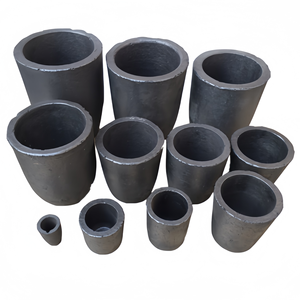
High Al2o3 Ceramic crucible container pot refractory alumina mullite ceramic crucible for smelting metal kiln

Gold Melting Graphite Crucible Induction Heating Crucible For Aluminium With Stopper K3

Silicon Carbide Graphite Refractory Crucible Graphite Crucibles for Melting Cast Iron

Whole kiln furniture alumina ceramic crucible 330mm x 330mm x 100mm cordierite mullite refractory saggers
SUCCESS Customization Fused Quartz Crucible Opaque Quartz Crucible Milky White Silica Crucible for Industry