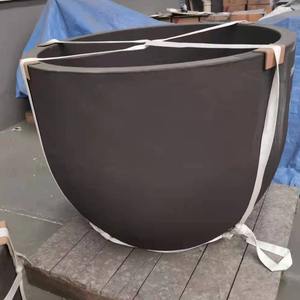
Premium Ceramic Crucibles | High-Performance Lab & Industrial Solutions


PRODUCT PARAMETERS
Description
Overview of Mullite Crucible
Mullite crucibles are made from a high-performance ceramic material composed primarily of alumina (Al₂O₃) and silica (SiO₂). Known for their excellent thermal stability and mechanical strength, mullite crucibles are widely used in high-temperature applications such as melting metals, glass, and ceramics. They offer superior resistance to thermal shock and chemical attack, making them indispensable in both laboratory and industrial settings.
Features of Mullite Crucible
Thermal Shock Resistance: Exceptional ability to withstand rapid temperature changes without cracking.
High Mechanical Strength: Strong and durable, even at elevated temperatures.
Chemical Stability: Resistant to most chemicals, ensuring minimal contamination during processes.
Temperature Range: Can operate effectively at temperatures up to 1650°C.
Low Thermal Expansion: Minimal expansion or contraction with temperature changes, ensuring dimensional stability.
Non-Reactive: Does not react with the materials being processed, preserving sample purity.
Versatility: Suitable for a wide range of applications including metallurgy, glass manufacturing, and laboratory experiments.

(Refractory corundum-mullite sagger/crucible)
Specifications of Refractory corundum-mullite sagger/crucible
These saggers and crucibles use corundum and mullite. Corundum is aluminum oxide (Al₂O₃). Mullite combines aluminum oxide and silicon dioxide (SiO₂). The mix gives high heat resistance and good strength. They handle temperatures from 1600°C to 1700°C easily. This is essential for firing ceramics or melting metals.
The material has low porosity. This means it absorbs very little liquid. It keeps molten metals or glazes clean. They resist chemical attack well. Acidic or basic slags don’t damage them much. This extends their working life.
Thermal shock resistance is a major benefit. They withstand fast temperature changes. Heating up quickly or cooling down fast causes less cracking. This is vital for industrial kilns. Production cycles often involve rapid heating and cooling.
Mechanical strength is high. They support heavy loads at peak temperatures. Stacking saggers in a kiln requires this strength. The shape stays stable. Deformation under load is minimal.
These products are used for kiln furniture. They hold ceramic items during firing. They act as crucibles for melting alloys. Precious metals like gold or platinum need pure containers. These refractory items provide that purity. They are also good for sintering special powders. The powders need protection from contamination.
Alumina content is usually high. It might be 70% or more. This boosts refractoriness. Mullite crystals add toughness. They improve thermal shock performance. The microstructure is dense and fine-grained. This structure blocks penetration by liquids or vapors.

(Refractory corundum-mullite sagger/crucible)
Applications of Refractory corundum-mullite sagger/crucible
Refractory corundum-mullite saggers and crucibles handle extreme heat. They are essential in many demanding industrial processes. These products are made from a special mix of alumina and mullite. This gives them excellent thermal shock resistance. They also resist chemical attack well. They stay strong at very high temperatures.
In ceramics manufacturing, these saggers are vital. They protect delicate items like porcelain and fine china during firing. Kilns get incredibly hot. Saggers shield the pieces from direct flame and kiln gases. This prevents damage and discoloration. They are also used heavily for firing technical ceramics. These include electronic components and advanced materials needing precise, high-temperature conditions. Tile producers rely on them too. Saggers carry tiles through roller hearth kilns efficiently.
Metal processing uses these crucibles extensively. Foundries melt aluminum and aluminum alloys inside them. The crucibles resist the corrosive molten metal. They are also used for melting precious metals like gold and silver. Steel plants use them for specific high-temperature sampling and testing tasks. They handle the intense heat of molten steel.
Chemical plants need durable containers. Corundum-mullite crucibles work well for high-temperature chemical reactions. They resist attack from many aggressive chemicals and fluxes. Labs use small versions for experiments requiring extreme heat. Researchers melt samples or run reactions safely inside them.
These saggers and crucibles last a long time. They withstand repeated heating and cooling cycles. This reduces downtime and replacement costs. They offer reliable protection for valuable products. Industries choose them for demanding thermal applications. Their performance ensures consistent results.
Company Introduction
Welcome to Teen-Hot,a leading global supplier of high-quality crucibles designed for various industrial applications. We offer an extensive range of crucibles, including graphite, ceramic, and metal varieties, tailored to meet the needs of foundries, laboratories, and manufacturers. Our products are renowned for their durability, thermal resistance, and precision engineering, ensuring optimal performance in melting and heat treatment processes. With advanced manufacturing facilities and a commitment to excellence, we provide reliable, cost-effective solutions worldwide. Partner with us for your crucible needs and experience superior quality, expert support, and timely delivery.
If you have any questions, please feel free to contact us(nanotrun@yahoo.com).
Payment Methods
T/T, Western Union, Paypal, Credit Card etc.
Shipment Methods
By air, by sea, by express, as customers request.
5 FAQs of Refractory corundum-mullite sagger/crucible
What’s the highest temperature these saggers handle?
These saggers work very well up to 1750°C. That’s plenty hot for firing ceramics, lithium battery materials, and electronic components. They keep their strength at these high heats. Don’t push them much hotter than 1750°C. They could start to weaken or break down.
Do they crack with sudden temperature changes?
They handle sudden temperature changes better than many other materials. This is thermal shock resistance. The mix of corundum and mullite helps a lot. This blend expands and contracts evenly. It reduces stress inside the sagger. You get fewer cracks during rapid heating or cooling cycles.
How long do these saggers last?
Lifespan varies a lot. It depends on the temperature you use, what you’re firing, and how you handle them. Firing very aggressive materials shortens life. Using them above 1750°C shortens life. Careful handling helps them last longer. Generally, expect many more firing cycles than cheaper options.
What are they mainly used for?
People mainly use them for high-value, high-precision firing. Think lithium-ion battery cathode materials, electronic ceramics like MLCCs, and special technical ceramics. They are essential where product purity is critical. The sagger itself releases almost no contaminants. This keeps the fired product clean.
Why pick corundum-mullite over cheaper materials?
Cheaper saggers like clay-graphite wear out much faster at high temperatures. They also contaminate sensitive products. Corundum-mullite offers much longer service life in tough conditions. It provides superior product purity. This saves money over time despite the higher initial cost. It’s the smart choice for demanding applications.

(Refractory corundum-mullite sagger/crucible)
REQUEST A QUOTE
RELATED PRODUCTS

China Graphite Crucible for Gold Melting
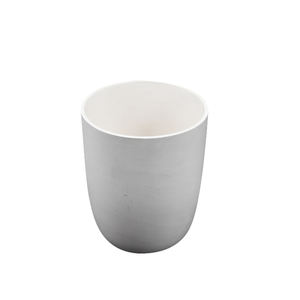
Advanced refractory Mullite sagger/crucible for sinter Ni-Zn material

High Al203 corundum mullite saggar crucible kiln shelves refractory alumina ceramic sagger tray for furnace

1 to 30kg Graphite Melting Crucible With Ceramic sleeve Set

Big size high alumina refractory ceramic crucible