Premium Ceramic Crucibles | High-Performance Lab & Industrial Solutions


PRODUCT PARAMETERS
Description
Overview of Silicon Carbide Crucible
Silicon carbide (SiC) crucibles are advanced ceramic vessels known for their exceptional thermal conductivity, high strength, and resistance to thermal shock. These crucibles can withstand extreme temperatures up to 1600°C and are highly resistant to chemical attack, making them ideal for melting metals, alloys, and other materials in both laboratory and industrial settings.
Features of Silicon Carbide Crucible
High Thermal Conductivity: Efficient heat transfer ensures uniform heating and rapid temperature changes.
Thermal Shock Resistance: Can endure rapid temperature fluctuations without damage.
Chemical Inertness: Resistant to most acids and alkalis, minimizing contamination.
Temperature Range: Operates effectively at temperatures up to 1600°C.
Mechanical Strength: Extremely durable and strong, even under harsh conditions.
Non-Reactive: Does not react with the materials being processed, preserving sample purity.
Long Service Life: Durable construction ensures extended use and reliability.
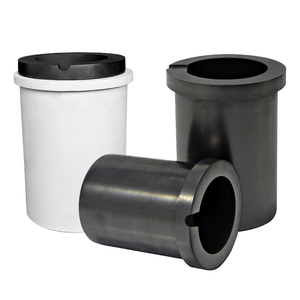
(Crucible Corrosion Resistance and Heat Conduction Graphite Clay and Sintered Silicon Carbide Ceramic Crucible)
Specification of Crucible Corrosion Resistance and Heat Conduction Graphite Clay and Sintered Silicon Carbide Ceramic Crucible
Graphite clay crucibles handle molten metals well. They resist corrosion from aluminum, copper, and similar melts. They do not last long against very reactive metals. The graphite conducts heat quickly. This means fast melting times. It saves energy. The clay binder adds some strength. It helps the crucible hold its shape. Graphite clay crucibles are cost-effective. They are good for many standard melting jobs.
Sintered silicon carbide crucibles are tougher. They resist chemicals much better. They handle highly corrosive melts. These include reactive metals. They withstand very high temperatures. Silicon carbide itself is extremely hard. The sintering process makes it dense. This density stops leaks. It also makes the crucible very strong. It resists cracking under stress.
Heat moves through silicon carbide well. It does not move as fast as pure graphite. It provides more controlled heat transfer. This can be better for certain processes. It prevents sudden temperature changes. Sintered silicon carbide lasts longer under harsh conditions. It is more durable than graphite clay. It costs more upfront. It is worth it for demanding applications.
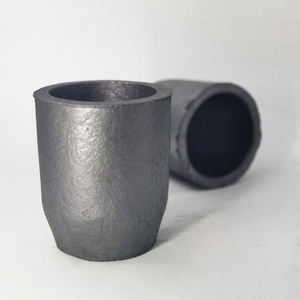
(Crucible Corrosion Resistance and Heat Conduction Graphite Clay and Sintered Silicon Carbide Ceramic Crucible)
Applications of Crucible Corrosion Resistance and Heat Conduction Graphite Clay and Sintered Silicon Carbide Ceramic Crucible
Crucibles handle very hot, often harsh materials. Some materials attack crucibles over time. Good corrosion resistance matters. Crucibles also move heat. Efficient heat conduction saves energy and time. Different crucible types offer different benefits.
Graphite clay crucibles are popular. They conduct heat well. This helps melt metals fast. They work for brass, bronze, copper alloys. They are usually cheaper than other types. They resist some chemicals okay. Strong acids or bases can damage them over many uses. They are good for foundries and small metal casting shops. They are not the best for highly corrosive materials long-term.
Sintered silicon carbide ceramic crucibles are tougher. They are very hard and resist wear. They handle much higher temperatures than graphite clay. They conduct heat very effectively too. This makes them efficient. Their best feature is corrosion resistance. Strong acids, strong bases, many molten salts do not damage them easily. This makes them vital in chemical labs and tough industrial processes. They are used for melting aggressive alloys or handling reactive chemicals. They are common in advanced material research and semiconductor manufacturing. They last much longer under harsh conditions. They cost more initially but often save money over time. They are essential where extreme conditions exist.
Company Introduction
Welcome to Teen-Hot,a leading global supplier of high-quality crucibles designed for various industrial applications. We offer an extensive range of crucibles, including graphite, ceramic, and metal varieties, tailored to meet the needs of foundries, laboratories, and manufacturers. Our products are renowned for their durability, thermal resistance, and precision engineering, ensuring optimal performance in melting and heat treatment processes. With advanced manufacturing facilities and a commitment to excellence, we provide reliable, cost-effective solutions worldwide. Partner with us for your crucible needs and experience superior quality, expert support, and timely delivery.
If you have any questions, please feel free to contact us(nanotrun@yahoo.com).
Payment Methods
T/T, Western Union, Paypal, Credit Card etc.
Shipment Methods
By air, by sea, by express, as customers request.
5 FAQs of Crucible Corrosion Resistance and Heat Conduction Graphite Clay and Sintered Silicon Carbide Ceramic Crucible
What is crucible corrosion resistance?
Crucible corrosion resistance means how well the crucible fights off damage from harsh chemicals. Chemicals like acids or salts can eat away at the crucible material over time. A crucible with good corrosion resistance lasts longer. It handles tough chemicals better. This saves money because replacements are needed less often.
Why is heat conduction important in a crucible?
Heat conduction is key. It means how fast heat moves through the crucible material. Fast heat conduction heats your material inside quickly and evenly. Slow heat conduction causes uneven heating. This can ruin your melt or experiment. Good heat conduction saves energy too. The furnace doesn’t work as hard.
How does graphite clay compare to silicon carbide for corrosion?
Graphite clay crucibles resist many chemicals well. They handle basic melts okay. Strong acids or oxidizing agents can still attack graphite clay. Sintered silicon carbide ceramic is much tougher. It resists strong acids and bases far better than graphite clay. Silicon carbide is the top choice for really harsh chemicals.
Which crucible conducts heat better, graphite or silicon carbide?
Graphite clay conducts heat very well. It heats up fast and spreads heat evenly. Sintered silicon carbide ceramic also conducts heat well. It is almost as good as graphite. Both materials are much better heat conductors than regular ceramics. This makes melting metals efficient.
Can I use a silicon carbide crucible for very high temperatures?
Yes, sintered silicon carbide crucibles handle extremely high heat. They work fine well above 2000°C. Graphite clay crucibles also handle high temperatures. They are good up to around 1800°C in air. Silicon carbide maintains its strength better at the highest temperatures. It doesn’t soften like graphite can.
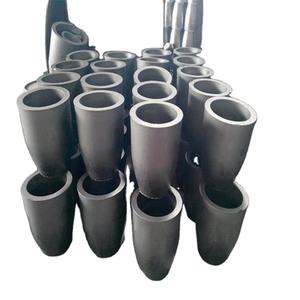
(Crucible Corrosion Resistance and Heat Conduction Graphite Clay and Sintered Silicon Carbide Ceramic Crucible)
REQUEST A QUOTE
RELATED PRODUCTS

Silicon Carbide Graphite Crucible/gold silver smelting graphite / non-ferrous and noble metals smelting/Jewelry
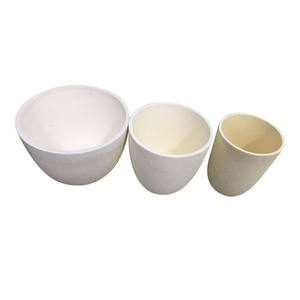
100 Kgs Capacity Gas-Burned Fuel Aluminum Melting Furnace Complete With Silicon Carbide Crucible and Control Panel FCC
MZ Silicon Carbide Graphite Foundry Crucibles with High Thermal Conductivity Reinforced with Melting Metal

silicon carbide crucible for smelting/melting

Best 99.95% Purity Molybdenum Crucible For Melting