Premium Ceramic Crucibles | High-Performance Lab & Industrial Solutions

PRODUCT PARAMETERS
Description
Overview of Corundum Crucible
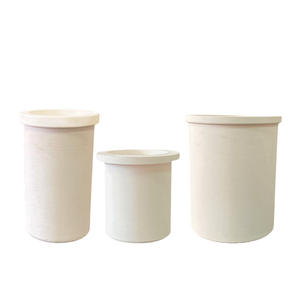
Corundum crucibles, made from alumina (Al₂O₃), are highly valued for their exceptional thermal resistance and chemical stability. These crucibles are ideal for high-temperature applications, such as melting and annealing processes in laboratories and industrial settings. Corundum crucibles can withstand temperatures up to 1800°C and are resistant to most chemical reagents, making them indispensable in various scientific and manufacturing operations.
Features of Corundum Crucible
High Thermal Resistance: Can withstand temperatures up to 1800°C without degrading.
Chemical Stability: Resistant to most acids and alkalis, ensuring minimal contamination during experiments or production.
Durability: Extremely durable and long-lasting, even under harsh conditions.
Non-Reactive: Does not react with the materials being processed, preserving sample purity.
Versatility: Suitable for a wide range of applications including melting metals, glass, and ceramics.
Precision Engineering: Manufactured to tight tolerances for consistent performance and reliability.

(Heat-resistant Al2O3 99% Alumina Ceramic Labware Corundum Crucibles)
Specification of Heat-resistant Al2O3 99% Alumina Ceramic Labware Corundum Crucibles
Heat-resistant Al2O3 99% alumina ceramic labware corundum crucibles are engineered for demanding high-temperature applications in laboratory and industrial settings. Composed of 99% aluminum oxide (Al2O3), these crucibles exhibit exceptional thermal stability, chemical resistance, and mechanical durability, making them ideal for melting, calcining, or sintering materials at extreme temperatures.
**Material Composition**: The crucibles are fabricated from high-purity alumina (99% Al2O3), ensuring minimal impurities for consistent performance. This composition grants superior resistance to thermal shock, allowing rapid temperature cycling without cracking.
**Temperature Resistance**: Designed to withstand continuous use at temperatures up to **1650°C (3002°F)** and short-term exposure up to **1800°C (3272°F)**, these crucibles outperform traditional porcelain or quartz alternatives. Their low thermal expansion coefficient ensures structural integrity under repeated heating and cooling.
**Chemical Inertness**: Alumina’s inert nature provides excellent resistance to acids, alkalis, and corrosive molten metals (excluding hydrofluoric acid and strong alkaline solutions at high temperatures). This makes them suitable for applications involving fluxes, salts, and reactive compounds.
**Physical Properties**: The crucibles feature high mechanical strength (Mohs hardness of 9), wear resistance, and a smooth surface finish to minimize contamination. Their density (~3.9 g/cm³) and low porosity enhance longevity and reduce adherence of molten materials.
**Sizes and Shapes**: Available in standard capacities ranging from **5 mL to 500 mL**, with cylindrical or conical designs. Custom dimensions and wall thicknesses can be tailored to specific requirements.
**Applications**: Widely used in XRF sample preparation, metal/glass melting, ash analysis, and high-temperature material synthesis in industries such as metallurgy, semiconductors, and aerospace. Compatible with electric furnaces, gas kilns, and induction heating systems.
**Key Advantages**:
– Exceptional thermal shock resistance for rapid cooling/heating cycles.
– Minimal contamination due to non-reactive surface.
– Long service life under extreme conditions.
– Cost-effective alternative to platinum crucibles for many applications.
**Handling Notes**: Avoid mechanical impact or sudden temperature changes exceeding 300°C/min. Clean with dilute acids or ultrasonic cleaners to maintain performance.
These alumina ceramic crucibles combine reliability and precision, meeting the rigorous demands of advanced research, quality control, and industrial processing.

(Heat-resistant Al2O3 99% Alumina Ceramic Labware Corundum Crucibles)
Applications of Heat-resistant Al2O3 99% Alumina Ceramic Labware Corundum Crucibles
Heat-resistant Al2O3 99% alumina ceramic labware, particularly corundum crucibles, are essential tools in high-temperature and chemically demanding environments due to their exceptional thermal stability, mechanical strength, and chemical inertness. Composed of 99% aluminum oxide (Al2O3), these crucibles exhibit superior performance in extreme conditions, making them indispensable across scientific, industrial, and research applications.
In metallurgy and foundry operations, corundum crucibles are used to melt and process metals and alloys at temperatures exceeding 1600°C. Their high thermal shock resistance ensures structural integrity during rapid heating or cooling cycles, critical for smelting precious metals like gold, platinum, or specialized steel alloys. Similarly, in chemical analysis labs, these crucibles serve as reliable containers for ash testing, fluxing, or digesting samples with aggressive acids or alkalis. Their non-reactive nature prevents contamination, ensuring accurate analytical results.
Materials science laboratories utilize alumina crucibles for sintering ceramics, synthesizing advanced composites, or calcining powders at ultra-high temperatures. The purity of 99% Al2O3 minimizes impurities, making them ideal for producing high-performance materials like semiconductors, superconductors, or optical components. In the semiconductor industry, they are employed in crystal growth processes or annealing steps where contamination control is paramount.
Industrial applications include glass manufacturing, where crucibles withstand molten glass temperatures, and catalyst production, handling corrosive reactants during catalyst synthesis. Their durability reduces frequent replacements, lowering operational costs. Additionally, their electrical insulation properties make them suitable for high-temperature electronic component testing.
Alumina ceramic crucibles are also favored in environmental testing for incinerating organic materials or analyzing inorganic residues. Their smooth surface allows easy sample removal, while their resistance to thermal cycling extends service life. With a melting point above 2000°C, low thermal expansion, and excellent wear resistance, 99% alumina crucibles offer unmatched reliability in both research and production settings.
These crucibles are a cost-effective solution for industries prioritizing precision, longevity, and thermal efficiency. Whether in academic labs, industrial furnaces, or advanced material fabrication, Al2O3 99% alumina ceramic labware remains a cornerstone for high-temperature processes requiring purity and resilience.
Company Introduction
Welcome to Teen-Hot,a leading global supplier of high-quality crucibles designed for various industrial applications. We offer an extensive range of crucibles, including graphite, ceramic, and metal varieties, tailored to meet the needs of foundries, laboratories, and manufacturers. Our products are renowned for their durability, thermal resistance, and precision engineering, ensuring optimal performance in melting and heat treatment processes. With advanced manufacturing facilities and a commitment to excellence, we provide reliable, cost-effective solutions worldwide. Partner with us for your crucible needs and experience superior quality, expert support, and timely delivery.
If you have any questions, please feel free to contact us(nanotrun@yahoo.com).
Payment Methods
T/T, Western Union, Paypal, Credit Card etc.
Shipment Methods
By air, by sea, by express, as customers request.
5 FAQs of Heat-resistant Al2O3 99% Alumina Ceramic Labware Corundum Crucibles
What is the maximum temperature Al2O3 99% alumina ceramic crucibles can withstand?
Al2O3 99% alumina ceramic crucibles are designed for extreme heat, with a maximum continuous operating temperature of up to 1800°C (3272°F). Their high-purity composition and corundum structure ensure stability in rapid thermal cycling and resistance to thermal shock, making them ideal for high-temperature processes like melting metals, ash analysis, or chemical reactions.
What applications are these crucibles suitable for?
These crucibles are widely used in laboratories and industrial settings for applications requiring extreme heat resistance and chemical inertness. Common uses include melting precious metals, sintering advanced ceramics, conducting high-temperature chemical analyses, and handling corrosive materials. They are also suitable for use in furnaces, kilns, and under oxidizing or reducing atmospheres due to their non-reactive nature.
How do alumina crucibles compare to porcelain or quartz crucibles?
Alumina crucibles outperform porcelain and quartz in thermal and mechanical properties. They withstand higher temperatures (1800°C vs. porcelain’s 1200°C or quartz’s 1100°C) and offer superior resistance to thermal shock, chemical erosion, and physical wear. Their high hardness (Mohs 9) minimizes scratching, while their density prevents permeation by molten metals or aggressive chemicals, ensuring longer service life.
How should I clean and maintain alumina ceramic crucibles?
After cooling to room temperature, clean crucibles by soaking in dilute hydrochloric acid or nitric acid to remove residues, followed by rinsing with deionized water. Avoid abrasive scrubbing or sudden temperature changes, as mechanical stress or thermal shock can cause micro-cracks. Store in a dry environment to prevent moisture absorption, which could affect performance during rapid heating.
What is the typical lifespan of these crucibles, and when should they be replaced?
Lifespan depends on usage intensity, temperature cycles, and exposure to corrosive materials. With proper care, alumina crucibles can last months to years. Replace them if visible cracks, significant warping, or deep surface erosion occur, as these defects compromise thermal integrity and chemical resistance. Regular inspection after each use is recommended to ensure safety and accuracy in high-temperature processes.

(Heat-resistant Al2O3 99% Alumina Ceramic Labware Corundum Crucibles)
REQUEST A QUOTE
RELATED PRODUCTS

Corundum Alumina Combustion Ceramic Boat For High Temperature Furnace crucible

250ml 99 alumina ceramic conical crucible with excellent heat resistance

High Purity Cylindrical or Conical Al2o3 Ceramic Corundum Alumina Crucible for Metal Melting in Laboratory
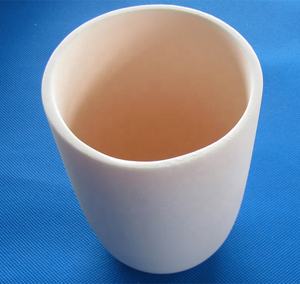
High density of slip casting alumina crucible Corundum crucible
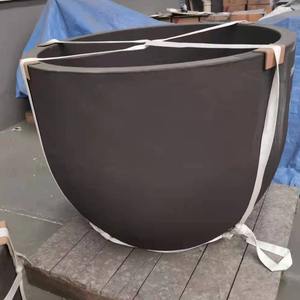
99.7% Al2o3 Ceramic Alumina Crucible High Temperature Corundum Crucible Ceramic Boat Crucible
