Premium Ceramic Crucibles | High-Performance Lab & Industrial Solutions

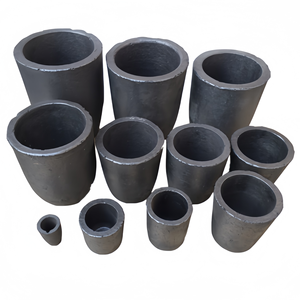
PRODUCT PARAMETERS
Description
Overview of Mullite Crucible
Mullite crucibles are made from a high-performance ceramic material composed primarily of alumina (Al₂O₃) and silica (SiO₂). Known for their excellent thermal stability and mechanical strength, mullite crucibles are widely used in high-temperature applications such as melting metals, glass, and ceramics. They offer superior resistance to thermal shock and chemical attack, making them indispensable in both laboratory and industrial settings.
Features of Mullite Crucible
Thermal Shock Resistance: Exceptional ability to withstand rapid temperature changes without cracking.
High Mechanical Strength: Strong and durable, even at elevated temperatures.
Chemical Stability: Resistant to most chemicals, ensuring minimal contamination during processes.
Temperature Range: Can operate effectively at temperatures up to 1650°C.
Low Thermal Expansion: Minimal expansion or contraction with temperature changes, ensuring dimensional stability.
Non-Reactive: Does not react with the materials being processed, preserving sample purity.
Versatility: Suitable for a wide range of applications including metallurgy, glass manufacturing, and laboratory experiments.

(High Al2o3 Ceramic crucible container pot refractory alumina mullite ceramic crucible for smelting metal kiln)
Specifications of High Al2o3 Ceramic crucible container pot refractory alumina mullite ceramic crucible for smelting metal kiln
High Al2O3 ceramic crucible containers are designed for smelting metals in high-temperature kilns. These pots use refractory alumina mullite ceramic materials. The alumina content exceeds 85%, ensuring strong heat resistance. They handle temperatures up to 1800°C. This makes them suitable for melting metals like gold, silver, copper, and alloys. The material resists thermal shock. Rapid heating or cooling causes minimal cracking. This durability extends the crucible’s lifespan.
The structure is dense and non-porous. It prevents metal liquids from seeping into the ceramic. Chemical stability is high. Acids, alkalis, and molten metals do not easily corrode the surface. The crucible maintains shape under extreme conditions. Deformation risks are low even after repeated use.
Production involves advanced isostatic pressing. This creates uniform density across the ceramic body. High-purity raw materials reduce impurities. Performance consistency improves. The surface is smooth. Slag buildup is minimized during smelting. Cleaning becomes easier.
Sizes vary to fit different furnace capacities. Common diameters range from 50mm to 300mm. Custom dimensions are available. Wall thickness is optimized for heat retention and structural strength. Heat distributes evenly. Metal melting efficiency increases.
These crucibles work in electric kilns, gas furnaces, and induction heating systems. They suit labs, jewelry workshops, and industrial foundries. Handling is straightforward. Preheating is recommended before first use. This removes residual moisture. Thermal stress during initial heating drops.
Mechanical strength is superior. Impact resistance prevents breakage during loading or unloading. The alumina-mullite blend balances toughness and thermal properties. Long-term exposure to high heat does not weaken the material.
Cost-effectiveness comes from low wear rates. Replacement frequency decreases. Maintenance is simple. Gentle brushing after cooling removes most residues. Avoiding sudden temperature changes preserves integrity. Proper storage in dry conditions prevents moisture absorption.
Applications include precious metal refining, alloy production, and glass processing. Users report consistent results and reduced material waste. Compatibility with oxidizing and reducing atmospheres adds versatility.

(High Al2o3 Ceramic crucible container pot refractory alumina mullite ceramic crucible for smelting metal kiln)
Applications of High Al2o3 Ceramic crucible container pot refractory alumina mullite ceramic crucible for smelting metal kiln
High Al2O3 ceramic crucible containers are built for extreme heat. They handle metal smelting in kilns. The main material is alumina mullite ceramic. This gives high thermal stability. It resists cracking under rapid temperature changes. These crucibles work in environments above 1600°C. They last longer than standard crucibles.
Metal smelting needs reliable tools. These crucibles melt gold, silver, copper, and alloys. Foundries use them daily. Jewelry makers rely on their precision. Labs test metals with them. The high alumina content stops chemical reactions. Molten metal stays pure. Slag and oxides do not stick to the surface. This reduces waste.
The structure is dense. It stops molten metal from leaking. Mechanical strength is high. The crucible survives rough handling. It resists wear from stirring or pouring. Graphite or clay-graphite crucibles break down faster. Alumina mullite stays intact. This cuts replacement costs.
Thermal shock resistance matters. Heating and cooling cycles stress materials. These crucibles handle sudden temperature shifts. They avoid cracks common in lower-quality options. Consistent performance saves downtime. Kilns run longer without stopping.
Chemical resistance is key. Acidic or basic fluxes attack weak materials. High Al2O3 crucibles ignore these. They work with aggressive metals like titanium. No contamination risks. Final products meet strict quality standards.
Custom sizes and shapes fit specific needs. Small crucibles suit lab experiments. Large ones handle industrial batches. Designs match different kilns or furnaces. Users adapt them easily.
Energy efficiency improves. Low thermal conductivity traps heat. Less energy keeps metals molten. Fuel costs drop. Heat stays focused on the material. Surrounding areas stay cooler. Safety improves.
These crucibles serve many industries. Aerospace needs high-purity metals. Automotive relies on durable alloys. Electronics require precise smelting. Artisans create detailed metalwork. All benefit from consistent performance.
Durability meets demand. High Al2O3 ceramic crucibles outlast alternatives. They handle harsh conditions. Users save money over time. Maintenance stays simple. No special treatments are needed. Clean with basic tools.
The focus is function. Every feature targets real-world use. Metalworkers get tools that work. Problems like cracking or contamination fade. Efficiency rises. Output grows.
Company Introduction
Welcome to Teen-Hot,a leading global supplier of high-quality crucibles designed for various industrial applications. We offer an extensive range of crucibles, including graphite, ceramic, and metal varieties, tailored to meet the needs of foundries, laboratories, and manufacturers. Our products are renowned for their durability, thermal resistance, and precision engineering, ensuring optimal performance in melting and heat treatment processes. With advanced manufacturing facilities and a commitment to excellence, we provide reliable, cost-effective solutions worldwide. Partner with us for your crucible needs and experience superior quality, expert support, and timely delivery.
If you have any questions, please feel free to contact us(nanotrun@yahoo.com).
Payment Methods
T/T, Western Union, Paypal, Credit Card etc.
Shipment Methods
By air, by sea, by express, as customers request.
5 FAQs of High Al2o3 Ceramic crucible container pot refractory alumina mullite ceramic crucible for smelting metal kiln
High Al2O3 ceramic crucible containers are designed for smelting metals in high-temperature kilns. These crucibles handle extreme heat and harsh conditions. Below are answers to common questions.
What is the maximum temperature these crucibles can withstand? The crucibles tolerate temperatures up to 1800°C. The exact limit depends on the alumina content. Higher alumina percentages improve heat resistance. Avoid exceeding the rated temperature. Overheating shortens the crucible’s life.
Why choose alumina mullite ceramic crucibles over other materials? Alumina and mullite provide excellent thermal stability. They resist cracking under rapid temperature changes. The material also resists chemical corrosion from molten metals. This makes them reliable for repeated use. Cheaper alternatives often fail under similar stress.
Are these crucibles compatible with all types of metals? They work with common metals like gold, silver, copper, and aluminum. Avoid using them with highly reactive metals like titanium or zirconium. Check the manufacturer’s guidelines for specific compatibility. Incorrect use may cause damage.
How should the crucible be cleaned after use? Let the crucible cool completely. Remove residue with a soft brush or non-abrasive tool. Soak in mild detergent if stubborn material remains. Do not use harsh chemicals or metal scrapers. Thermal shock from rapid cooling must be avoided.
What factors affect the crucible’s lifespan? Frequent temperature changes reduce durability. Exposure to corrosive metals or slag causes wear. Proper handling and storage extend service life. Inspect the crucible regularly for cracks or thinning. Replace it if defects appear.

(High Al2o3 Ceramic crucible container pot refractory alumina mullite ceramic crucible for smelting metal kiln)
REQUEST A QUOTE
RELATED PRODUCTS
250ml 99 Alumina Ceramic Conical crucible With Excellent Heat Resistance

High purity melting graphite crucible for gold smelting

Refractory Crucible Cordierite Mullite Ceramic Saggar For Lithium Battery Powder Sintering

Custom Graphite Crucible for Induction Heating and Melting Ordinary Graphite Crucible Fine Graphite Crucible

99% alumina ceramic crucible 99 refractory ceramic crucible ceramic crucible
