Premium Ceramic Crucibles | High-Performance Lab & Industrial Solutions

PRODUCT PARAMETERS
Description
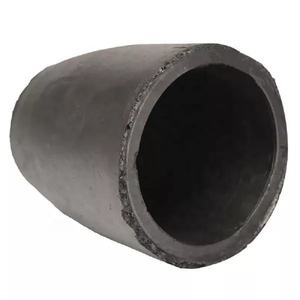
Overview of Silicon Carbide Crucible
Silicon carbide (SiC) crucibles are advanced ceramic vessels known for their exceptional thermal conductivity, high strength, and resistance to thermal shock. These crucibles can withstand extreme temperatures up to 1600°C and are highly resistant to chemical attack, making them ideal for melting metals, alloys, and other materials in both laboratory and industrial settings.
Features of Silicon Carbide Crucible
High Thermal Conductivity: Efficient heat transfer ensures uniform heating and rapid temperature changes.
Thermal Shock Resistance: Can endure rapid temperature fluctuations without damage.
Chemical Inertness: Resistant to most acids and alkalis, minimizing contamination.
Temperature Range: Operates effectively at temperatures up to 1600°C.
Mechanical Strength: Extremely durable and strong, even under harsh conditions.
Non-Reactive: Does not react with the materials being processed, preserving sample purity.
Long Service Life: Durable construction ensures extended use and reliability.
(Graphite crucible For Vacuum Deposition)
Specification of Graphite crucible For Vacuum Deposition
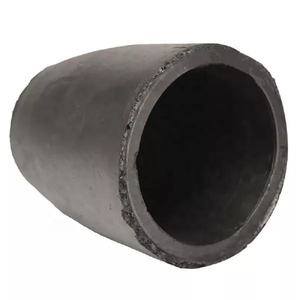
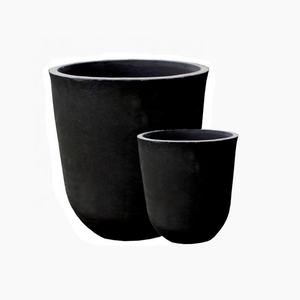
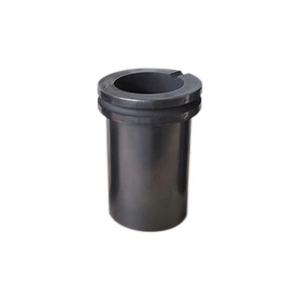
Graphite crucibles for vacuum deposition are specialized containers designed to withstand extreme temperatures and harsh environments while maintaining structural integrity and purity. These crucibles are critical in processes like physical vapor deposition (PVD), chemical vapor deposition (CVD), and other vacuum-based coating applications where high-purity materials must be melted or evaporated without contamination.
Material Composition: Made from high-purity isostatic graphite (99.99% carbon or higher), these crucibles ensure minimal impurities that could interfere with deposition processes. Ultra-low ash content (<50 ppm) and trace metal levels (e.g., iron, sulfur) are maintained to prevent contamination of sensitive materials like semiconductors or optical coatings. Temperature Resistance: Graphite crucibles operate effectively in vacuum or inert atmospheres at temperatures up to 2,500°C (4,532°F). Their thermal stability minimizes deformation, cracking, or sublimation even under rapid thermal cycling. Thermal Conductivity: High thermal conductivity ensures uniform heat distribution, critical for consistent evaporation or melting of source materials. This property also reduces energy consumption by improving heating efficiency. Density and Porosity: High-density graphite (1.7–1.85 g/cm³) provides durability and erosion resistance. Low porosity (<15%) prevents gas absorption and reduces outgassing during vacuum processes, ensuring stable deposition rates. Mechanical Strength: Compressive strength ranges from 70–120 MPa, allowing the crucible to withstand mechanical stress during handling or high-temperature operation without fracturing. Dimensions and Customization: Available in standard sizes (inner diameters from 10 mm to 500 mm) with customizable geometries (cylindrical, conical, rectangular) to fit specific deposition systems. Features like threaded bases, grooves, or coatings (e.g., silicon carbide for enhanced oxidation resistance) can be added. Surface Finish: Precision-machined surfaces (Ra ≤1.6 μm) minimize particle generation, crucial for maintaining vacuum integrity and coating quality. Chemical Inertness: Resistant to most molten metals, salts, and acids, ensuring compatibility with diverse deposition materials like aluminum, gold, or oxides. Applications: Ideal for semiconductor manufacturing, optical coating, aerospace component coating, and research laboratories. Graphite crucibles for vacuum deposition combine high-temperature performance, purity, and longevity, making them indispensable for precision thin-film deposition processes. Regular maintenance and proper handling under inert conditions extend their service life, ensuring cost-effective operation.
(Graphite crucible For Vacuum Deposition)
Applications of Graphite crucible For Vacuum Deposition
Graphite crucibles are indispensable components in vacuum deposition processes, offering exceptional performance in high-temperature, low-pressure environments. Vacuum deposition, a technique used to apply thin, uniform coatings onto substrates, relies on crucibles that can withstand extreme thermal and chemical conditions. Graphite’s unique properties—including high thermal conductivity, resistance to thermal shock, and stability at temperatures exceeding 3,000°C—make it an ideal material for these applications.
In semiconductor manufacturing, graphite crucibles are used to vaporize materials like silicon, gallium arsenide, or metals such as aluminum and gold. These vapors condense on semiconductor wafers to create precise electronic layers, essential for integrated circuits and microchips. The crucible’s chemical inertness ensures minimal contamination, critical for maintaining the purity of high-performance semiconductors.
Optics and photonics industries utilize graphite crucibles in vacuum deposition to produce anti-reflective, conductive, or protective coatings on lenses, mirrors, and optical fibers. The crucible’s ability to evenly distribute heat ensures consistent vaporization of materials like magnesium fluoride or indium tin oxide, resulting in defect-free optical coatings.
Aerospace and automotive sectors benefit from graphite crucibles in applying heat-resistant or wear-resistant coatings to turbine blades, engine components, and cutting tools. Materials such as titanium nitride or diamond-like carbon (DLC) are vaporized in graphite crucibles to enhance durability and performance under extreme operational stress.
In research and development, graphite crucibles enable the exploration of novel materials, such as graphene or high-entropy alloys, by providing a stable environment for controlled deposition. Their machinability allows customization to fit specialized vacuum chambers, accommodating experimental geometries or large-scale production needs.
Graphite crucibles excel in vacuum environments due to their low outgassing rates, preventing pressure fluctuations that could disrupt deposition uniformity. Their longevity reduces downtime for replacements, offering cost-efficiency compared to ceramic or metal alternatives. Additionally, graphite’s resistance to chemical erosion ensures compatibility with aggressive materials like boron or refractory metals.
Overall, graphite crucibles are vital for achieving high-purity, high-performance coatings across industries, combining thermal resilience, chemical stability, and operational reliability to meet the stringent demands of modern vacuum deposition processes.
Company Introduction
Welcome to Teen-Hot,a leading global supplier of high-quality crucibles designed for various industrial applications. We offer an extensive range of crucibles, including graphite, ceramic, and metal varieties, tailored to meet the needs of foundries, laboratories, and manufacturers. Our products are renowned for their durability, thermal resistance, and precision engineering, ensuring optimal performance in melting and heat treatment processes. With advanced manufacturing facilities and a commitment to excellence, we provide reliable, cost-effective solutions worldwide. Partner with us for your crucible needs and experience superior quality, expert support, and timely delivery.
If you have any questions, please feel free to contact us(nanotrun@yahoo.com).
Payment Methods
T/T, Western Union, Paypal, Credit Card etc.
Shipment Methods
By air, by sea, by express, as customers request.
5 FAQs of Graphite crucible For Vacuum Deposition
What is a graphite crucible for vacuum deposition, and why is it preferred? A graphite crucible is a high-temperature container used to melt, evaporate, or hold materials during vacuum deposition processes. It is preferred due to graphite’s exceptional thermal conductivity, resistance to thermal shock, and stability in high-vacuum environments. Graphite also has low outgassing properties, minimizing contamination risks, and can withstand extreme temperatures without degrading, making it ideal for precise thin-film coating applications.
What temperature range can graphite crucibles withstand in vacuum deposition? Graphite crucibles can typically withstand temperatures up to 3,000°C (5,432°F) in vacuum or inert gas environments. Under vacuum, the absence of oxygen prevents oxidation, allowing graphite to maintain structural integrity at higher temperatures compared to atmospheric conditions. Specific limits depend on the crucible’s purity and grade, so always follow the manufacturer’s guidelines for optimal performance and longevity.
How long does a graphite crucible last in vacuum deposition applications? Lifespan varies based on operating conditions, such as temperature cycles, material compatibility, and mechanical stress. Under moderate use (e.g., 1,500–2,500°C), a crucible may last several weeks to months. Aggressive environments with corrosive materials or rapid thermal cycling can shorten this. Proper handling, gradual heating/cooling, and avoiding reactive substances extend service life.
Are graphite crucibles compatible with all materials in vacuum deposition? Graphite is chemically inert to most metals, alloys, and semiconductors but reacts with oxidizing agents (e.g., oxygen, nitrates) or strong acids/bases at high temperatures. Materials like titanium, aluminum, or copper are commonly used, while oxides or highly reactive substances may require alternative crucible materials. Always verify chemical compatibility charts or consult manufacturers before use.
How should graphite crucibles be maintained for optimal performance? Avoid thermal shock by preheating gradually and cooling slowly. Clean residues with alcohol or non-abrasive solvents—never use water, as moisture absorption can cause cracking during heating. Store in a dry, dust-free environment to prevent contamination. Inspect regularly for cracks or erosion and replace if structural integrity is compromised. Proper maintenance ensures consistent deposition quality and crucible durability.
(Graphite crucible For Vacuum Deposition)
REQUEST A QUOTE
RELATED PRODUCTS

Molten Gold Graphite crucible
High Purity 98% Sic Silicon Carbide Crucible Saggers 50kg 500kg Graphite Crucible For Smelting diam83*215

Precious Metal Smelting Graphite crucible Graphite crucibles For Melting Cast Iron

Silicon carbide pin semiconductor device precision parts corrosion resistance

High quality low ceramic industry SiC silicon carbide sagger/crucible
