Premium Ceramic Crucibles | High-Performance Lab & Industrial Solutions

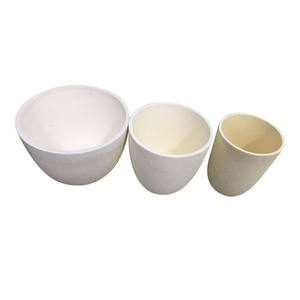
PRODUCT PARAMETERS
Description
Overview of Silicon Carbide Crucible
Silicon carbide (SiC) crucibles are advanced ceramic vessels known for their exceptional thermal conductivity, high strength, and resistance to thermal shock. These crucibles can withstand extreme temperatures up to 1600°C and are highly resistant to chemical attack, making them ideal for melting metals, alloys, and other materials in both laboratory and industrial settings.
Features of Silicon Carbide Crucible
High Thermal Conductivity: Efficient heat transfer ensures uniform heating and rapid temperature changes.
Thermal Shock Resistance: Can endure rapid temperature fluctuations without damage.
Chemical Inertness: Resistant to most acids and alkalis, minimizing contamination.
Temperature Range: Operates effectively at temperatures up to 1600°C.
Mechanical Strength: Extremely durable and strong, even under harsh conditions.
Non-Reactive: Does not react with the materials being processed, preserving sample purity.
Long Service Life: Durable construction ensures extended use and reliability.
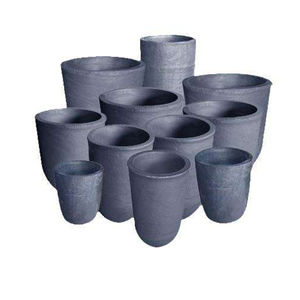
(High Temperature Refractory Silicon Carbide SiC Crucible Sagger)
Specification of High Temperature Refractory Silicon Carbide SiC Crucible Sagger
Silicon carbide crucibles handle extreme heat. They are essential for metal melting and glass work. These containers offer superior performance. SiC material resists very high temperatures. It stays stable above 2000 degrees Celsius. This stability is critical. Furnaces get extremely hot during processing. The crucible must not fail. Chemical resistance is another key feature. SiC crucibles withstand harsh acids and bases. They also resist slag erosion. Molten materials are often corrosive. The crucible material doesn’t react easily. Thermal shock resistance is vital. Crucibles heat up and cool down repeatedly. Sudden temperature changes cause stress. SiC handles these rapid shifts well. It minimizes cracking risks. Long service life saves money. These crucibles last much longer than alternatives. They endure tough conditions day after day. Less downtime means better productivity. Mechanical strength is high. SiC is a very hard material. Crucibles maintain their shape under load. Heavy metal charges don’t deform them. Good thermal conductivity is a plus. Heat transfers efficiently through the crucible walls. This ensures uniform heating inside. Melting happens faster and more evenly. Low thermal expansion matters too. The material expands only slightly when heated. This helps preserve the crucible structure. It reduces internal stress buildup. SiC crucibles serve many industries. They are common in foundries and laboratories. Jewelry makers use them for precious metals. Ceramic and chemical plants rely on them too. These crucibles handle demanding thermal processes reliably.
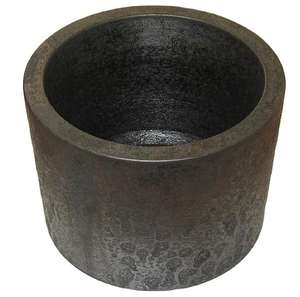
(High Temperature Refractory Silicon Carbide SiC Crucible Sagger)
Applications of High Temperature Refractory Silicon Carbide SiC Crucible Sagger
Silicon carbide crucible saggers are extremely tough containers. They handle very high temperatures easily. This makes them perfect for many industrial jobs. They are commonly used in metal casting. Foundries melt metals like steel inside them. The crucibles do not react with the molten metal. This keeps the metal pure. They are also great for ceramics. Ceramic factories use them to fire pottery and tiles. The saggers protect the items from direct flame. They also stop ash or kiln dust from sticking. This results in cleaner finished products.
Chemical plants need these crucibles too. They hold chemicals during high heat reactions. The silicon carbide does not break down easily. It withstands corrosive substances well. Labs use smaller versions for experiments. Scientists heat samples to study their properties. The crucibles offer consistent performance. They last much longer than other materials. This saves money over time. Less downtime is needed for replacements.
Their strength comes from silicon carbide. This material is hard and resistant to wear. It transfers heat efficiently. This allows for faster heating and cooling cycles. Crucibles maintain their shape under stress. They resist thermal shock when temperatures change quickly. Operators find them reliable. They build trust in the process. Using silicon carbide crucible saggers improves results. It supports demanding production environments. Industries depend on their consistent performance.
Company Introduction
Welcome to Teen-Hot,a leading global supplier of high-quality crucibles designed for various industrial applications. We offer an extensive range of crucibles, including graphite, ceramic, and metal varieties, tailored to meet the needs of foundries, laboratories, and manufacturers. Our products are renowned for their durability, thermal resistance, and precision engineering, ensuring optimal performance in melting and heat treatment processes. With advanced manufacturing facilities and a commitment to excellence, we provide reliable, cost-effective solutions worldwide. Partner with us for your crucible needs and experience superior quality, expert support, and timely delivery.
If you have any questions, please feel free to contact us(nanotrun@yahoo.com).
Payment Methods
T/T, Western Union, Paypal, Credit Card etc.
Shipment Methods
By air, by sea, by express, as customers request.
5 FAQs of High Temperature Refractory Silicon Carbide SiC Crucible Sagger
What is a silicon carbide crucible sagger? It holds things during high-heat processes. It protects items inside kilns or furnaces. SiC means silicon carbide. This material handles extreme temperatures well.
Why use SiC instead of clay? Clay breaks down faster under intense heat. SiC lasts much longer. SiC withstands chemical reactions better. This means fewer replacements are needed. It saves money over time.
What temperatures can it handle? SiC crucible saggers manage very high heat. They work well between 1500°C and 1700°C. Some special types go even higher. They resist sudden temperature changes without cracking.
Where are these saggers used? Factories use them for melting metals. They are common in making ceramics. Jewelry makers need them for casting. Labs use them for high-heat experiments. They are found wherever strong heat is applied.
How long does an SiC crucible sagger last? Its lifespan depends heavily on use. It lasts much longer than cheaper options. Proper care extends its life. Avoid physical bumps and rapid cooling. Handle it gently to prevent damage.
Is the higher cost worth it? Yes, usually. The initial price is higher than clay. But the longer life makes it cheaper in the end. Less downtime for replacements saves money. Better performance improves results.
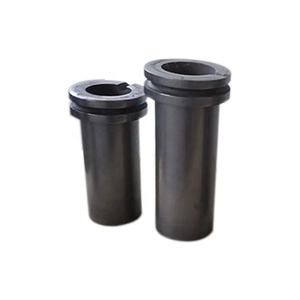
(High Temperature Refractory Silicon Carbide SiC Crucible Sagger)
REQUEST A QUOTE
RELATED PRODUCTS

Silica High Temperature Crucible Pot Sic Silicon Carbide Crucible For Copper Melting

High quality low ceramic industry SiC silicon carbide sagger/crucible
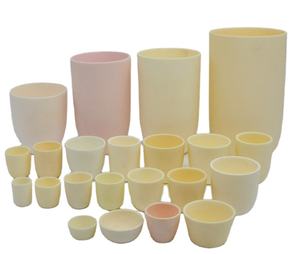
Silicon Carbide Crucible Silicon Carbide Graphite Crucible Silicon Carbide Crucible For Casting

R Silicon Carbide Saggers Wear-resistant and high temperature resistant Sintered lithium battery materials

Latest R&D 1Kg 2Kg 3Kg China Graphite Crucible Graphite Single Ring Crucible For Casting Silicon Carbide